 Lekhapora BD
Europe Work Permit & Visa Eligibility Requirements. Getting a Europe work permit & visa depends on the country and visa type, but the core eligibility requirements are similar across most EU countries. Here’s a clear, up-to-date guide for 2026.
🇪🇺 Europe Work Permit & Visa – Basic Eligibility
1. Job Offer (Most Important)
-
You usually must have a valid job offer from a European employer.
-
The employer may need to prove that no local/EU candidate is available (labour market test in some countries).
👉 Without a job offer, options are limited (except job-seeker visas or special programs).
2. Valid Passport & Application
-
Passport (valid for at least 6–12 months)
-
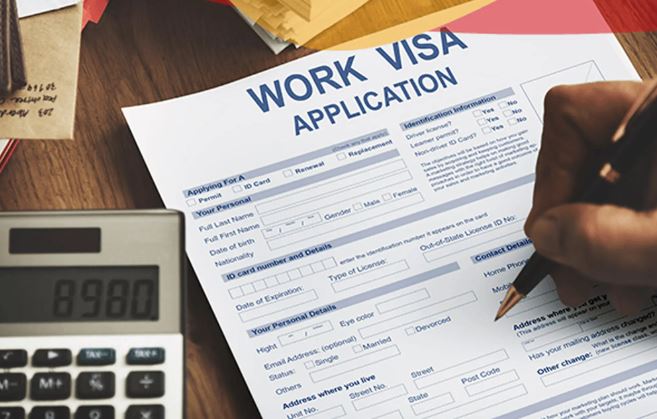
Completed visa application form
-
Passport-size photos
3. Education & Skills
-
Relevant degree, diploma, or vocational training
-
Your qualification may need official recognition in that country
4. Work Experience
-
Many countries require relevant work experience
-
Especially important for skilled visas (IT, engineering, healthcare, etc.)
5. Salary Requirement (for Skilled Visas)
For high-skilled permits like the EU Blue Card:
-
You must meet a minimum salary threshold
-
Example:
-
Germany: ~€48,000/year (lower for shortage jobs)
-
France: ~€59,000/year
-
👉 If salary is too low, visa is usually rejected.
6. Financial Proof
-
Show you can support yourself (bank statement or salary)
-
Required especially for:
-
Job seeker visa
-
Self-employment visa
-
7. Health Insurance
-
Mandatory in all EU countries
-
Must cover your stay until you enter the national system
8. Clean Criminal Record
-
Police clearance certificate required
-
Criminal history can lead to rejection
9. Language Skills (Sometimes Required)
-
English may be enough for tech jobs
-
Local language (German, French, etc.) often required for:
-
Healthcare
-
Customer service
-
📄 Common Documents Checklist
You’ll typically need:
-
Passport
-
Job contract or offer letter
-
Academic certificates
-
CV
-
Proof of accommodation
-
Health insurance
-
Visa application form
🔑 Types of Europe Work Visas
1. EU Blue Card (Best for Skilled Workers)
-
For highly qualified professionals
-
Easier movement between EU countries after some time
2. National Work Visa
-
Country-specific (Germany, Italy, France, etc.)
-
Most common route
3. Job Seeker Visa
-
Go to Europe and search for a job (limited countries like Germany)
4. Digital Nomad Visa
-
For remote workers (Spain, Portugal, Italy, Slovenia, etc.)
⚠️ Important Facts
-
❌ There is NO single “Europe work permit” — each country issues its own permit
-
✅ You can travel within Schengen, but cannot work in another country without a new permit
-
⏱️ Processing time: usually 2–12 weeks
💡 Simple Eligibility Summary
To qualify, you generally need:
✔ Job offer
✔ Relevant qualification
✔ Required salary
✔ Valid documents
✔ Health insurance
✔ Clean background
🧭 Tips for Bangladesh Applicants
-
Focus on skill shortage jobs (IT, construction, caregiving, engineering)
-
Try countries like:
-
Germany 🇩🇪
-
Portugal 🇵🇹
-
Netherlands 🇳🇱
-
Italy 🇮🇹
-
-
Use EU Blue Card route if highly skilled
If you want, tell me:
👉 Your education
👉 Work experience
I can suggest which European country + visa is easiest for you